
Tips for Creating a Sustainable Home Garden All Year Round
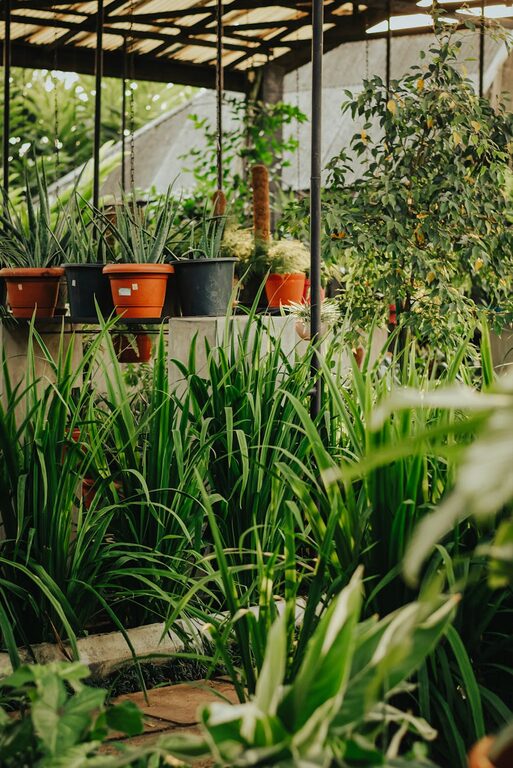
Creating a sustainable home garden that thrives all year round is a rewarding way to connect with nature, reduce your environmental footprint, and enjoy fresh produce or flowers at any time. By adopting some basic principles and techniques, you can nurture a garden that supports biodiversity, conserves resources, and flourishes through every season. This guide will walk you through essential tips for establishing and maintaining a sustainable garden at home throughout the year.
Understanding Sustainability in Gardening
Before diving into practical steps, it’s helpful to understand what sustainability means in the context of gardening. Sustainable gardening emphasises working with natural processes rather than against them, conserving resources like water and soil, promoting biodiversity, and minimising waste and chemical inputs. The goal is to create a resilient ecosystem that supports plants, wildlife, and your household.
Planning Your Garden for Year-Round Success
1. Choose Native and Adapted Plants
Selecting plants that are native or well-adapted to your local climate helps ensure they thrive with minimal care. Native plants are accustomed to the local soil, rainfall, and temperature patterns, making them more resilient and less dependent on fertilisers or pesticides.
2. Incorporate Seasonal Crops
To enjoy fresh produce all year, plan your garden with a rotation of seasonal crops. Learn which vegetables, herbs, and fruits grow best in different seasons in your area. For instance, leafy greens like spinach and kale are often hardy through winter, while tomatoes and peppers flourish in summer.
3. Design for Diverse Habitats
Create varied garden areas such as flower beds, vegetable patches, shrubs, and small trees. This diversity supports different species of pollinators, birds, and beneficial insects, enhancing the garden’s health and resilience.
Water Conservation Techniques
1. Collect Rainwater
Installing rain barrels or water butts allows you to capture rainwater from your roof for garden irrigation. Using stored rainwater reduces reliance on mains water and helps conserve this precious resource.
2. Mulch Regularly
Applying a layer of mulch around plants helps retain soil moisture, suppress weeds, and improve soil health as it breaks down. Organic mulches like wood chips, straw, or compost are ideal.
3. Use Drip Irrigation or Soaker Hoses
These watering methods target the roots directly, reducing water waste from evaporation or runoff. They are especially useful during dry periods and can be easily connected to timers for efficiency.
Soil Health and Composting
1. Build Healthy Soil
Good soil is the foundation of a sustainable garden. Avoid over-tilling and use organic matter such as compost or well-rotted manure to enrich the soil, improving its structure, nutrient content, and water retention abilities.
2. Start Composting
Composting kitchen scraps, garden waste, and other organic materials reduces landfill waste while producing nutrient-rich fertiliser for your garden beds. Composting encourages beneficial microbes and insects that support plant growth.
Encouraging Biodiversity
1. Plant Pollinator-Friendly Species
Include flowers and herbs that attract bees, butterflies, and other pollinators, such as lavender, echinacea, or sunflowers. Pollinators are vital for fruit and vegetable production.
2. Provide Habitats for Wildlife
Incorporate features like birdhouses, insect hotels, and small ponds to offer shelter and breeding spaces for wildlife, creating a balanced ecosystem in your garden.
3. Avoid Chemicals
Reduce or eliminate the use of synthetic pesticides, herbicides, and fertilisers. Instead, use integrated pest management by encouraging natural predators and manually removing pests.
Extending the Growing Season
1. Use Cold Frames and Cloche
Cold frames and cloches are simple structures that protect plants from frost and cold winds, allowing you to start planting earlier in the spring and keep crops growing later into autumn and winter.
2. Employ Crop Rotation and Succession Planting
Rotating crops between different beds helps prevent soil depletion and reduces pests and diseases. Succession planting ensures continuous harvests by planting new crops as others finish.
3. Grow in Containers or Greenhouses
Containers allow you to move plants to favourable locations, while greenhouses create a controlled environment to grow vulnerable or tropical species throughout colder months.
Minimising Waste
1. Reuse and Recycle Materials
Use recycled containers, old pallets, or reclaimed wood for garden projects. This reduces waste and supports sustainable resource use.
2. Regularly Harvest and Preserve Your Crops
Harvesting produce at the right time prevents waste from overripe plants. Preserve surplus harvest through drying, freezing, or canning to enjoy it later.
3. Practice Natural Seed Saving
Save seeds from your best plants to grow future crops, reducing the need to buy new seeds every year and preserving plant varieties.
Final Thoughts
Creating a sustainable home garden all year round takes some planning and effort, but it enriches your environment and lifestyle significantly. By working with nature’s rhythms and caring for your soil, plants, water, and wildlife, you can cultivate a space that is productive, beautiful, and gentle on the planet. Whether you have a small balcony or a large garden, these tips offer ways to grow sustainably and enjoy gardening throughout every season. Happy gardening!