
Simple Tips for Creating an Eco-Friendly Home on a Budget
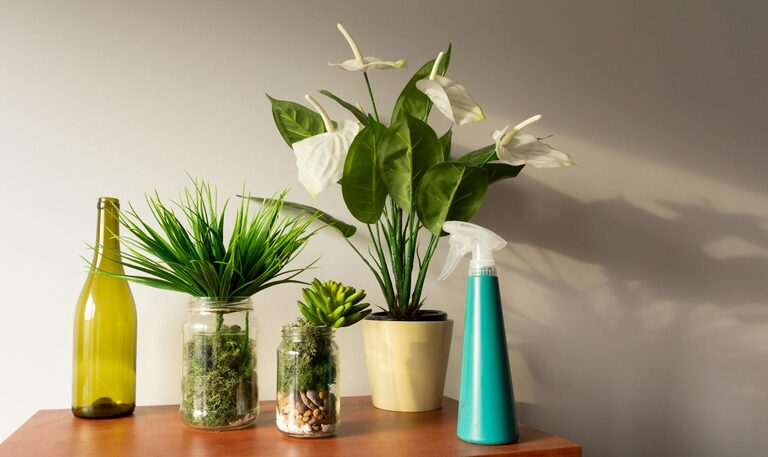
Creating an eco-friendly home doesn’t have to involve costly renovations or complicated technology. With some thoughtful changes and mindful habits, you can reduce your environmental impact while saving money in the long run. This guide offers practical tips on how to make your home greener, focusing on budget-friendly ideas accessible to everyone.
Why Choose an Eco-Friendly Home?
Going green at home benefits both the planet and your household. You can lower your energy bills, create a healthier living space, and feel good about reducing your carbon footprint. Even small changes add up when it comes to sustainability.
Start with Energy Efficiency
Energy use is a major factor in home sustainability. Focus on reducing consumption before considering expensive upgrades.
Use Energy-Efficient Lighting
– Swap to LED bulbs: LEDs use at least 75% less energy than traditional incandescent bulbs and last much longer.
– Use natural light: Make the most of daylight by keeping curtains or blinds open during the day.
– Install dimmers or timers: These can help control lighting and prevent unnecessary use.
Improve Insulation and Draught Proofing
– Seal gaps: Check windows and doors for draughts and seal leaks with affordable draught excluders or weatherstripping.
– Add curtains or blinds: Heavy curtains can reduce heat loss in colder months.
– Use rugs and carpets: These provide insulation on floors and add warmth.
Water Conservation Measures
Saving water is another effective way to live sustainably and reduce bills.
Install Simple Devices
– Water-saving shower heads: These reduce water flow without compromising comfort.
– Tap aerators: They mix air with water to reduce flow but maintain pressure.
– Fix leaks promptly: A dripping tap can waste litres of water daily.
Change Your Habits
– Turn off taps when not in use: Like while brushing teeth or washing dishes.
– Collect rainwater: Use buckets or barrels to gather rainwater for gardening.
– Use a bowl for washing fruit and vegetables: This is more efficient than running water continuously.
Choose Sustainable Materials and Products
When it comes to furniture, decor, or cleaning, opting for eco-friendly products supports sustainability.
Furniture and Homeware
– Buy secondhand or upcycled items: Charity shops, car boot sales, and online marketplaces often have great bargains.
– Choose natural materials: Items made from wood, bamboo, or cotton are more environmentally friendly than plastic alternatives.
– Invest in quality: Durable products may cost more initially but last longer, reducing waste.
Eco-Friendly Cleaning
– Make your own cleaners: Simple mixtures of vinegar, baking soda, and lemon juice clean effectively and are safe for the environment.
– Choose biodegradable products: If buying, look for brands committed to sustainability.
– Avoid single-use plastics: Buy larger containers to reduce packaging waste.
Reduce Waste and Recycle
Minimising waste is a key part of an eco-friendly home.
Simple Habits to Adopt
– Compost kitchen scraps: Even a small compost bin can divert food waste away from landfill.
– Recycle properly: Learn your local recycling rules to avoid contamination.
– Repurpose items: Containers, jars, and old clothes can find new uses.
Incorporate Green Gardening
If you have outdoor space, gardening is a wonderful way to connect with nature and support biodiversity.
Budget-Friendly Gardening Tips
– Grow your own herbs and vegetables: Even a small windowsill pot can produce fresh herbs.
– Plant native species: They typically require less water and support local wildlife.
– Avoid chemical pesticides: Use natural pest control methods like companion planting or homemade sprays.
Upgrade Appliances Thoughtfully
While many eco-friendly appliances have higher upfront costs, some budget options can still make a difference.
Tips for Appliance Use
– Choose energy-efficient models: Look for the ‘A’ rating or above when buying new appliances.
– Use appliances wisely: Run dishwashers and washing machines with full loads and on eco modes.
– Maintain appliances: Regular servicing improves efficiency and extends lifespan.
Small Changes with Big Impact
Sometimes the simplest acts help create a greener home.
– Switch off standby power: Use power strips and turn off devices completely when not in use.
– Air dry clothes: Avoid using the tumble dryer where possible.
– Use reusable bags and containers: Reduce plastic use in shopping and food storage.
Final Thoughts
Building an eco-friendly home on a budget is achievable by combining thoughtful habits with practical changes. The key is to start small, prioritise actions you can afford, and gradually expand your efforts. Over time, these steps create a comfortable, sustainable living environment that benefits both you and the planet.
Remember, every little change helps. The journey to a greener home is about progress, not perfection.